


There’s a good chance you forgot about the $100 million gift for free speech from back in September. I did. But you couldn’t call it boring. There was room for endless discussion about the identity of our mysterious donor and their motive. How exactly can the University use $100 million to “substantively advance [its] commitment to free speech,” and who donated it?
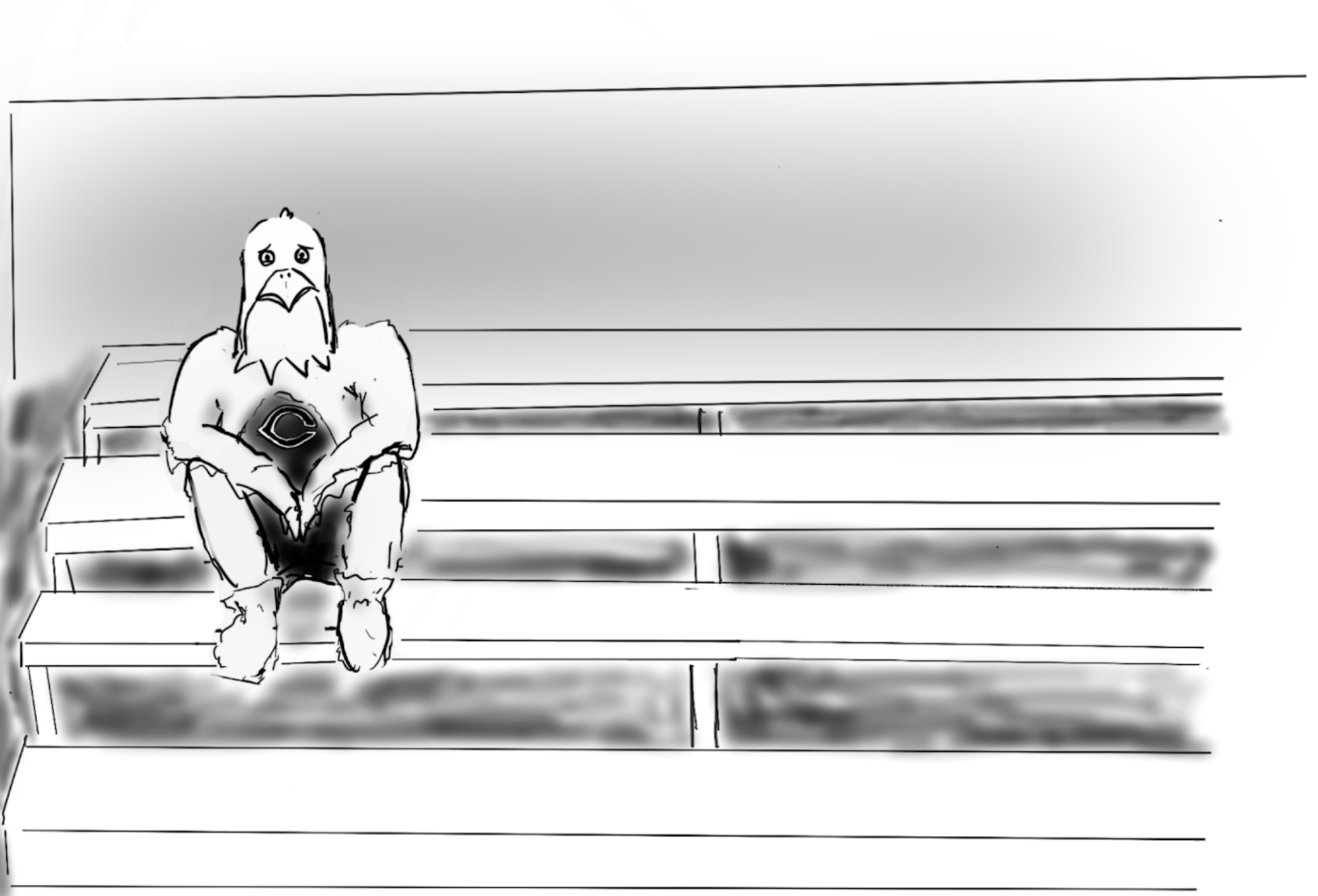
Yet, aside from this brief spectacle, it feels like the combination of “free speech” and “UChicago” has exhausted our collective palate. This is the kind of thing best left in the brochures and the indiscriminate letters they send prospective students. On campus, free speech is boring, and even $100 million couldn’t change that.
The truth is that this university has been more successful than any other university at supporting free speech just by saying “we won’t punish people for their opinions,” and holding itself to that. That $100 million, on the other hand, might not even help free speech at all.
That’s because free speech is boring at UChicago, and that’s a good thing. But this wasn’t always the case. Our meteoric rise to “THE Free Speech school” was the work of the Chicago Principles, which did it without a single extra cent, much less $100 million.
In the early 2010s, free speech at UChicago was far from boring. Four years before any talk of the Chicago Principles, a Maroon article noted that “in its annual free speech survey of 390 institutes for higher education, FIRE (Foundation for Individual Rights and Expression) gave U of C the lowest rating possible.” A contemporaneous FIRE report also detailed that “in recent years, U of C has racked up numerous free speech controversies, including censorship of a student’s online speech, a Mohammed cartoon debacle, and censorship of a student’s Facebook album.” FIRE described UChicago’s speech code as providing “vague and inescapably subjective definitions of the terms ‘offensive,’ ‘harassment,’ and ‘derogatory’ such that they provide little to no clarity on which speech is actually protected or unprotected at the university,” and noted that the school’s bias incident protocols defined a “bias incident” broadly enough to include federally protected speech.
Amid these free speech controversies, in 2015, UChicago created the Committee on Freedom of Expression, charging it with drafting a statement “articulating the University’s overarching commitment to free, robust, and uninhibited debate and deliberation among all members of the University’s community.” The result, the Report of the Committee on Freedom of Expression, contained what are now known as the Chicago Principles and concluded that the University committed to fostering a “completely free and open discussion of ideas.”
This was a massive shift for a school which, while always willing to ramble on about the benefits of free speech, had maintained a speech code that would have been ruled unconstitutional at any public university.
Perhaps unsurprisingly, the immediate reaction to the Principles was hardly one of acclaim. The editorial board of The Maroon savaged the report for “[lacking] clarity on what constitutes ‘effective and responsible’ discourse” and added that “it is not enough for the University to simply reiterate its commitment to free speech; it must also discuss its nuances and where the lines between acceptable and unacceptable speech fall.” An alumnus writing in Slate took the negative sentiment even further: first declaring that the Chicago Principles were a mere “marketing plot,” but then pivoting to suggest the University’s public commitment to free expression was problematic because it might “draw elements of the far right looking to fight with protesters or seeking recruits to their cause.” The most visible reaction from students, it seems, was worry and dismay, not enthusiasm or even indifference.
When you read these responses today, however, ten years after the Chicago Principles, they fall flat. The absence of those violent clashes between the far right and protesters foretold in Slate—and perhaps more than anything, my difficulty making another piece about free speech sound the least bit compelling—suggests that the Chicago Principles have had a very different result: free speech is boring now. Students, by and large, have responded to the actions of a few provocateurs by sensibly exercising their right to free association. The implementation of the Chicago Principles dramatically changed how the campus talked about free speech, and hardly anyone has even noticed.
The general student body might be tired of hearing about free speech, but it’s because they know they have it. I don’t know what’s going to happen to the $100 million. It might fund events that provoke some useful conversations or pay for interesting speakers (or, from what I’ve heard, maybe just replace a bunch of couches). But I do think it’s worth knowing that at UChicago, the Chicago Principles, not any number of grants or flashy events, are why we can take free speech for granted.



Leave a Reply